Decluttering for a Calmer Mind: Practical Steps to Embrace Minimalism
Explore how simple, intentional organizing can quiet the mind and create space for meaningful activities. This piece offers practical steps to start decluttering, cultivate mindful routines, and build a supportive minimalist mindset.
The room we inhabit is never merely a place of shelter; it is a mirror of our inner life, a quiet stage upon which the drama of our days unfolds. When objects accumulate beyond necessity, they press on attention, a soft friction that becomes fatigue. Minimalism, in its most generous form, is not a rulebook about how little you can own, but a practice of how consciously you can live with what you choose. The clearest way to claim space is to name what matters and let the rest fall away. In that light, decluttering becomes less a conquest over clutter and more a ritual of attention.
The topic at hand—decluttering for a calmer mind—draws on the quiet wisdom of individuals from different eras who each held a piece of the answer: how to see, how to let go, and how to live more deliberately within the space we call home.
1) The Principle: Clarity Through Intentional Space
Clarity begins with a question: What do I want this space to support? The practice of decluttering is not merely about removing things; it is about shaping an environment that aligns with your routines, values, and ambitions. The goal is a sanctuary that invites concentration, rest, and creative energy. A minimalist mindset is less about deprivation and more about the freedom to choose—freedom from the weight of unneeded possessions, freedom to welcome what genuinely nourishes your daily life.
Consider the way room, light, and rhythm influence mood. A clean surface acts as a blank page; it invites intention. A tidy shelf becomes a resource for memory and meaning rather than a backlog of impulse purchases. The process of decluttering—though sometimes quiet and repetitive—has a cumulative effect: it trains the mind to notice what deserves its attention and what deserves a seat on the cutting room floor.
2) A Simple, Three-Step Decluttering Method
The following method is designed to feel approachable, not punitive. It respects the pace of real life and the emotional sea that accompanies letting go.
- Step 1: Gather and Quick-Sort — Set aside a dedicated time block (30–60 minutes is plenty to begin). Create three boxes or baskets labeled Keep, Remove, and Maybe. As you approach each category, make rapid, instinctive judgments: If you’ve used it in the last year and anticipate using it again, it goes in Keep. If you’ve never used it or it clearly doesn’t fit your life, place it in Remove. If you’re unsure, place it in Maybe and revisit later.
- Step 2: Establish Boundaries for New Belongings — To prevent future accumulation, implement a “one-in, one-out” rule for new items, or assign a specific storage limit to a given space. This ritual reduces impulse purchases and creates a built-in accountability system.
- Step 3: Create a Daily Reset Ritual — End each day with a 5- to 10-minute reset. Return stray items to their homes, wipe down a surface, and write a brief note about what you’ll do tomorrow to maintain order. Small habits, consistently practiced, compound into a calmer mind.
3) Mindful Routines to Sustain Minimalism
Decluttering is not a one-off act; it is a discipline that evolves with your life. Mindful routines ensure that minimalism grows with you—adapting when you relocate, change careers, welcome new family members, or pursue new hobbies. Here are practical routines to sustain the practice:
- Daily Reset Ritual: A brief evening routine to tidy surfaces, organize belongings, and review the day’s choices.
- Intentional Shopping: Before buying, ask: Do I need this, or do I merely want it? Will this item improve the quality of my daily life in the long term?
- Seasonal Review: Every few months, revisit spaces that tend to accumulate: a closet, a kitchen drawer, a workspace, a digital inbox. Use a light touch—remove what no longer serves you, archive or donate what you no longer need.
- Community Resources: Share practices, swap items, or join local minimalist groups or online communities that emphasize supportive, non-judgmental growth.
4) Historical Perspectives: Voices Across Time
No modern approach to minimalism exists in a vacuum. Let’s consider three influential thinkers from different eras whose ideas—though separated by time—map onto a single thread: the discipline of attention.
Laozi (6th century BCE)
Ancient Daoist thought emphasizes simplicity as a path to harmony with the natural world. The idea of “wu wei” (effortless action) aligns with decluttering as a practice of removing the unnecessary in order to reveal the essential.
Henry David Thoreau (19th century)
Thoreau’s retreat to Walden Pond became a manifesto for simplifying life to focus on meaningful work, introspection, and a deeper connection to nature. His ethos resonates with modern minimalist practice: reduce to what matters most.
Marie Kondo (21st century)
A contemporary exemplar of deliberate living, Kondo’s method centers on joy and accordance—keeping only items that spark gratitude and usefulness, and thanking those that depart.
5) A Concrete Path for The Clean Chair Community
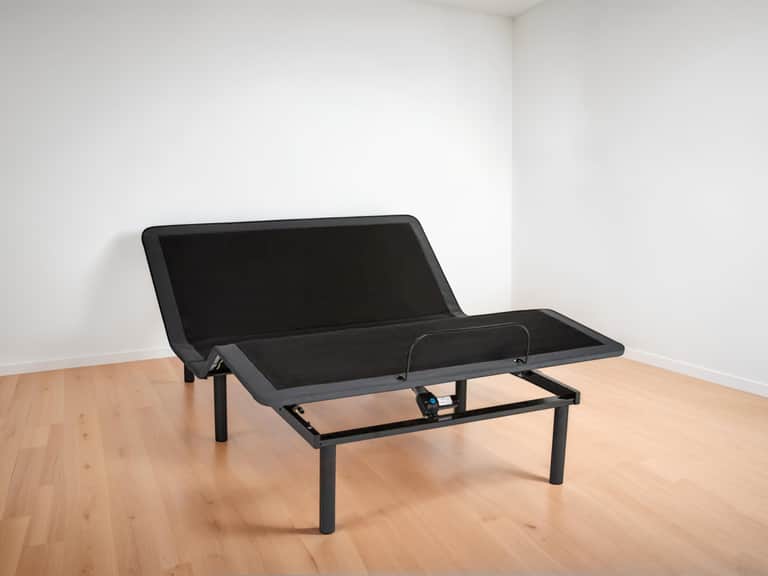
The Clean Chair brand leans into a calm, compassionate approach to minimalism. Its voice invites readers to treat decluttering as a shared journey rather than a solitary chore. The recommended product from The Clean Bedroom catalog—the Clean Bedroom Level 1 Adjustable Bed Base—embodies the philosophy in a material form: a seat of rest that supports intentional living. It offers seven adjustable leg heights and customizable head and foot settings, turning the bed into a personalized sanctuary. Its design prioritizes comfort, posture, and well-being, echoing the broader aim of decluttering to free space for rest, focus, and intention.
The bed base is a reminder that the mundane object—an everyday fixture like a bed—can be transformed to support a mindful life. By removing friction and enabling easy adjustment, it helps sustain the daily rituals that quiet the mind: a reliable anchor at the end of a busy day, a platform for restorative sleep, a tool for treating the body with care.
Product Highlight: The Clean Bedroom Level 1 Adjustable Bed Base
SKU: CUSB | Model: Clean Bedroom Level 1 | Price: $849.00
Features: seven adjustable head and foot heights, independent head and foot lift, 750-pound lift capacity, remote with presets, compatible with memory foam and latex mattresses.
This product example reinforces the article’s core message: quality, purposefully chosen items can simplify life rather than complicate it. In a broader sense, the bed base also represents a mindful boundary against overconsumption—an invitation to invest in sleep, health, and well-being rather than accumulating things for their own sake.
6) Practical Tools: Worksheets and Community Resources
To make decluttering actionable, here are a few practical tools you can adapt:
- Printable decluttering checklist organized by room (kitchen, closet, study, living area).
- Minimalist budget worksheet to track purchases and set limits.
- Mindful shopping prompt cards to pause before acquiring new items.
- Weekly reflection prompts to reinforce intention and gratitude.
Community support matters. Engage with others who share a vision of intentional living. Exchange tips, celebrate small victories, and offer encouragement to those who are navigating the emotional aspects of letting go. A supportive circle can transform decluttering from a solitary chore into a meaningful practice.
7) Final Thoughts: A Calmer Mind Through Simple Choices
Minimalism is a verb, not a fixed state. It is a commitment to prioritize clarity over clutter, presence over haste, and care over consumption. By embracing a three-step decluttering method, cultivating mindful routines, and learning from historical voices who revered simplicity, you begin to curate a life that aligns with your deepest intentions. The clearest home is a reflection of a clear mind, and the clean chair—whether literal or metaphorical—serves as a symbol and a tool for your ongoing practice.
As you move forward, remember that the aim is not perfection but progress. Each small decision—like choosing to store a cherished item in a dedicated place or saying goodbye to a rarely used object—creates a ripple of calm that extends beyond your living room into your routines, relationships, and daily energy.